

Trends and changes in the aviation industry and their impact on business
Tuesday, 20/8/2024, 11:06 (UTC+07:00)
Aviation, one of the most influential industries in the global economy, has undergone dramatic changes in recent years. Technological advances, changing consumer behavior, and new regulations are reshaping the way businesses interact with the aviation industry. These changes not only impact individual travel, but also have a major impact on business travel and logistics.
In this article, we will explore the latest trends in the aviation industry, from cutting-edge technology to regulatory changes, and how businesses can leverage these changes to optimize operations, reduce costs, and improve performance.
Table of Contents
I. E-tickets and Self-Check-in: Digital Trends in the Aviation Industry
One of the biggest changes in the aviation industry is the strong development of digital technology, especially the digitalization of the ticket booking and check-in process.
1. E-tickets
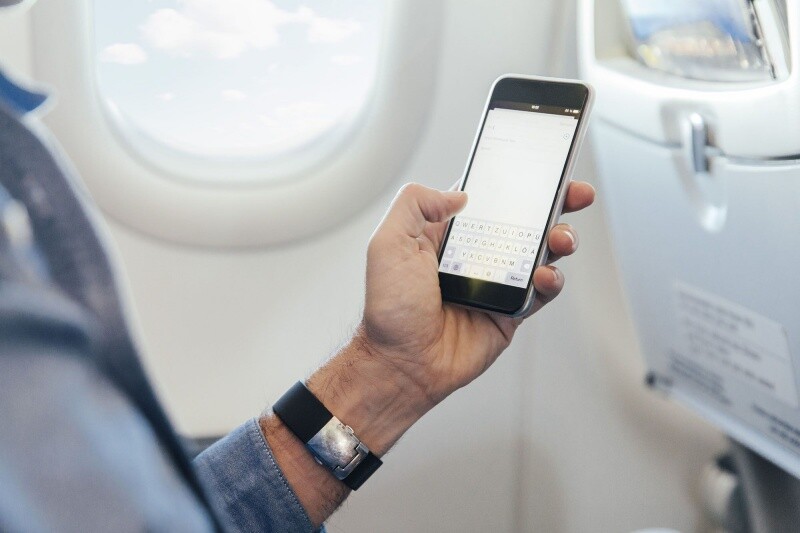
E-tickets have gradually replaced traditional paper tickets, bringing convenience and reducing costs for both airlines and customers. With e-tickets, passengers only need to store flight information on their mobile devices, making it easy for them to access and manage their itinerary.
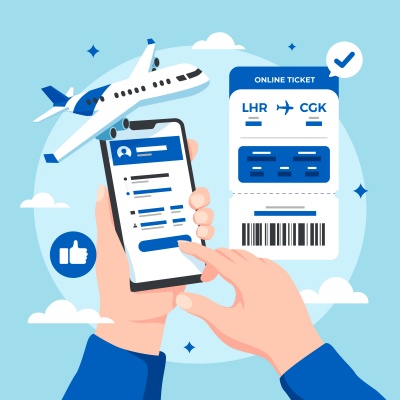
Impact on businesses: Businesses can optimize the ticket booking process for employees when traveling for work by using e-tickets. This saves management time, eliminates the need to store paper tickets and minimizes the risk of losing tickets. In addition, e-tickets allow for more flexible schedule changes, helping businesses respond quickly to changes in work plans.
2. Automated check-in
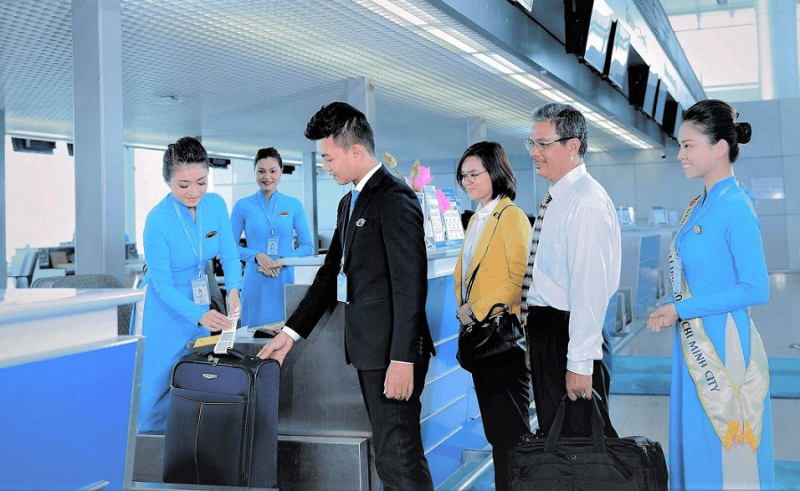
Automating the check-in process through automated kiosks at the airport or via mobile applications has helped reduce congestion at check-in counters. Passengers can check in remotely, select their seats, and print their boarding passes before arriving at the airport.
Impact on businesses: Automated check-in reduces waiting time at the airport, thereby increasing employee productivity during business trips. Employees can easily complete check-in procedures before arriving at the airport, reducing the risk of flight delays and optimizing travel time.
II. New regulations on aviation safety and security
In recent years, international aviation authorities have tightened regulations on safety and security to ensure transparency and safety for passengers and goods.
 (Source: Internet)
1. Airport security and baggage inspection regulations
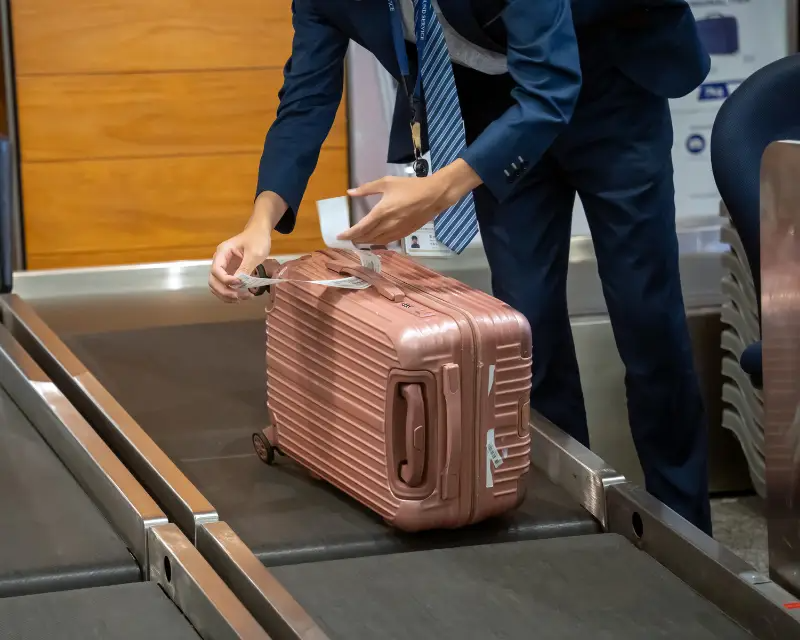
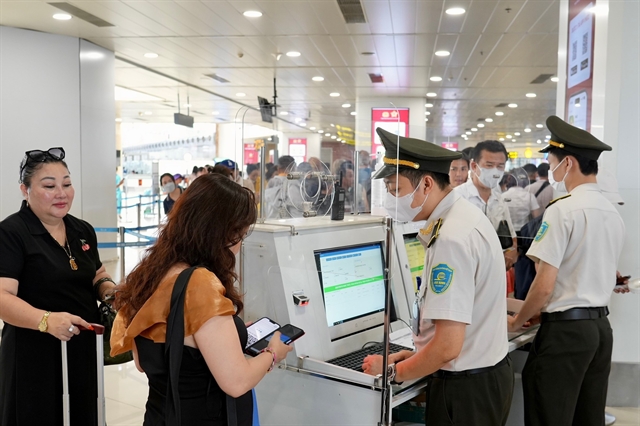
New regulations on baggage inspection and airport security have been applied in many countries to ensure that no dangerous or prohibited items are brought on board. This may lead to increased security check times at airports.
Impact on businesses: Businesses need to update information on the latest security regulations in the countries where employees work to avoid bringing prohibited items or encountering unexpected situations when going through security checks. To save time, employees should arrive at the airport earlier and ensure that they fully comply with baggage regulations.
2. Refund and compensation policy
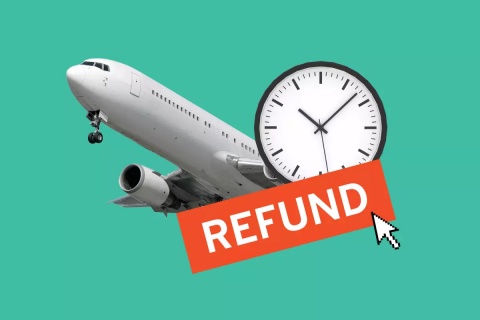
Many countries and regions have issued new regulations on refund and compensation policies when flights are delayed or canceled due to airline fault. These regulations are established to protect the rights of passengers.
Impact on businesses: Understanding these regulations helps businesses handle unexpected situations such as flight cancellations or delays in a reasonable manner. When a flight is canceled, businesses can request a refund or compensation for employees, minimizing financial and time losses. Cooperating with reputable airline ticket agents such as Do Thanh can help businesses quickly handle issues related to compensation and refunds.
III. Trends in using clean fuels and sustainable aviation
Environmental protection is a major concern for airlines and governments around the world. In recent years, the trend of using clean fuels and developing sustainable aviation has been widely applied.
1. Biofuels and emission reduction technologies
Many airlines have begun to switch to using biofuels to reduce carbon emissions into the environment. In addition, new technologies such as advanced engines and lighter aircraft materials are also being developed to reduce fuel consumption.
Impact on businesses: Businesses can choose airlines that use clean fuels and are committed to protecting the environment when traveling for work. This not only helps businesses demonstrate social responsibility but also helps build a positive image in the eyes of partners and customers. Participating in this trend can become part of a business's sustainable development strategy.

2. Developing green routes
Airlines are gradually developing green routes, where operations, maintenance and related services comply with environmental protection standards. These routes use less fuel, minimize noise and emissions, creating conditions for a sustainable aviation industry.
Impact on businesses: Businesses can take advantage of this trend to build a green business travel strategy, helping to optimize costs and enhance brand value. Choosing green routes not only helps businesses save on fuel costs but also complies with environmental protection standards, which can bring long-term economic and social benefits.
IV. Low-cost airline trends and their impact on businesses
Low-cost airlines have been growing strongly globally, providing more options for businesses when planning business travel.
1. The development of low-cost airlines
Low-cost airlines such as VietJet Air, AirAsia, and Ryanair have completely changed the way passengers travel. With low operating costs, these airlines offer airfares at very affordable prices.
Impact on businesses: Businesses can take advantage of low-cost airlines to optimize travel costs, especially for short-term or domestic business trips. Using low-cost airlines can help businesses save on airfare costs, thereby investing more in other activities such as accommodation and transportation at the destination.
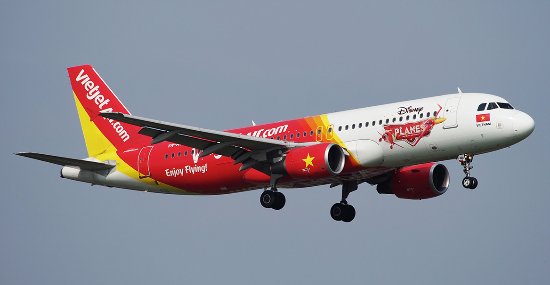 Low cost airline Vietjet Air (Source: Internet)
2. Weigh the cost and experience
While low-cost airlines offer a cost advantage, they also come with some limitations in terms of amenities such as no free meals, limited seat space, and checked baggage fees. Businesses need to weigh the cost savings against the employee experience when traveling for work, especially for long or important flights.
V. Conclusion
The aviation industry is changing dramatically with the development of technology, changes in regulations and sustainability trends. These changes not only bring new opportunities but also pose great challenges for businesses when they have to find ways to optimize operations and travel costs.
However, businesses can take advantage of these trends to improve work performance, improve the employee experience when traveling and build a sustainable development strategy. With the support of reputable partners in the aviation industry, such as Do Thanh ticket office, businesses can quickly adapt and take advantage of the benefits that these trends bring.
Back to category
Share:


Other news in the same category