Instructions for easy flight check-in procedures with facial recognition technology at Vietnamese airports
Monday, 8/9/2025, 10:42 (UTC+07:00)
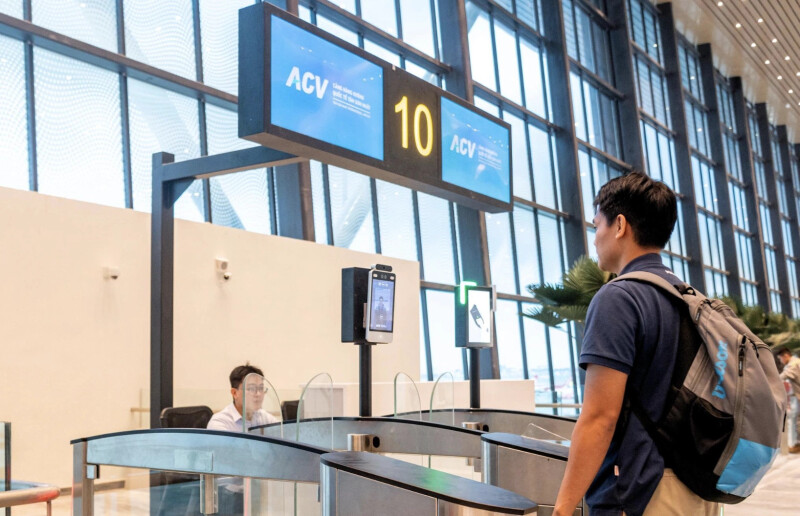
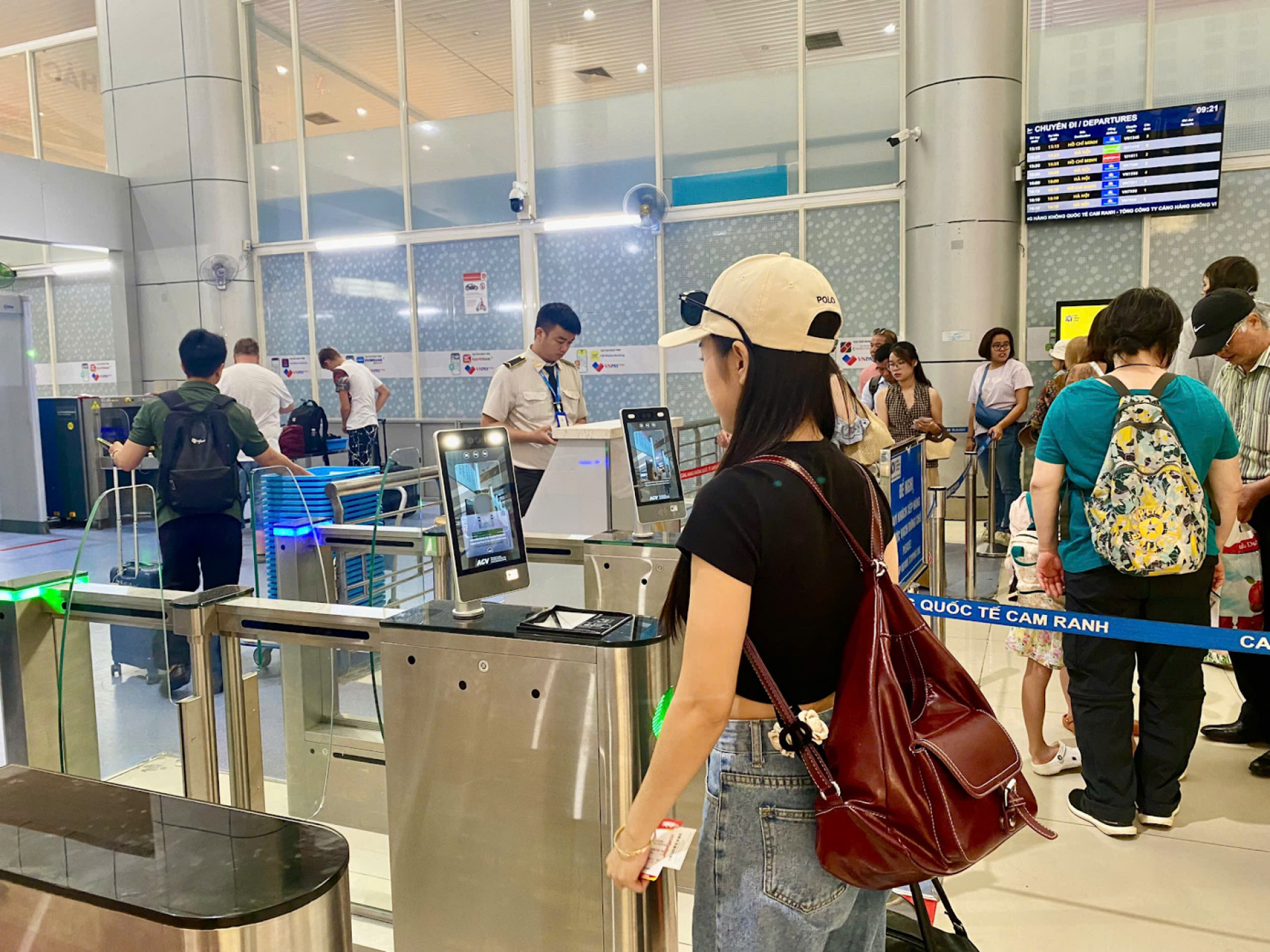
Biometric technology is transforming the tourism industry in the digital age by helping to reduce traffic congestion, improve security, create a modern, civilized flight environment and shorten check-in procedures.
On the morning of April 19, 2025, at Passenger Terminal T3, Tan Son Nhat International Airport, Ho Chi Minh City, the Department of Administrative Police for Social Order, Ministry of Public Security, in coordination with relevant units, held a ceremony to announce the pilot implementation of the solution for applying electronic identification, authentication and biometric identification in check-in procedures.
The launch of the application is not only an improvement in passenger services but also affirms the strategic vision of building Vietnam into a global center for smart aviation, logistics and technology.
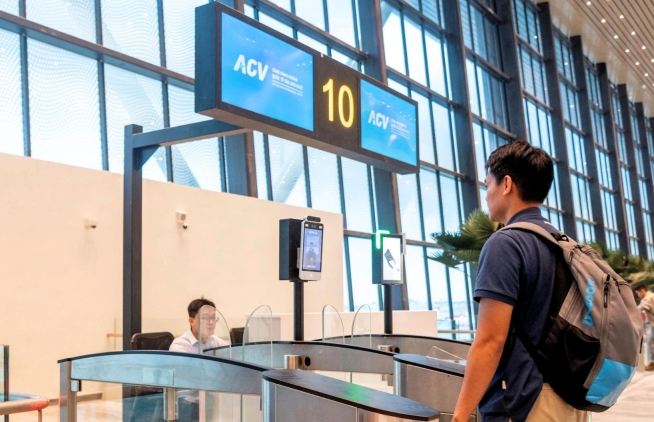 Source: VnExpress
Passengers should note the following information to save time and avoid problems:
Table of Contents
1. Prepare before flight
Passengers must have a current passport or national ID card with a chip. Activating the VNeID application at level 2 requires verified personal data and connection to the Immigration Department database.
2. Check-in online via VNeID and face authentication
- Step 1: Log in to the VNeID application.
- Step 2: Select "Other Services".

- Step 3: Select "Air Services".

- Step 4: Select "Check in online", click the "Check in online" button and select your airline.


- Step 5: After confirming agreement on regulations, purposes of sharing and data processing, passengers are redirected to the Vietnam Airlines or Vietjet application to complete the online check-in process and identity verification (eKYC).
- Step 6: Passengers will have their faces authenticated using specialized scanners at airport security checkpoints.
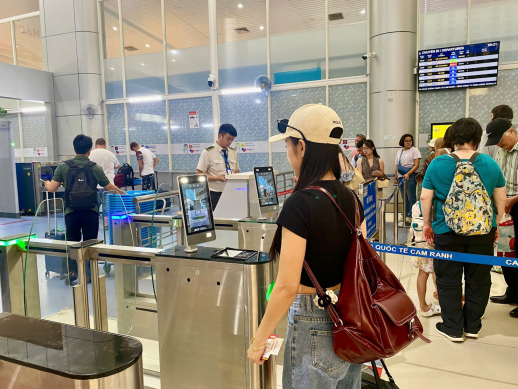 Source: CRAP
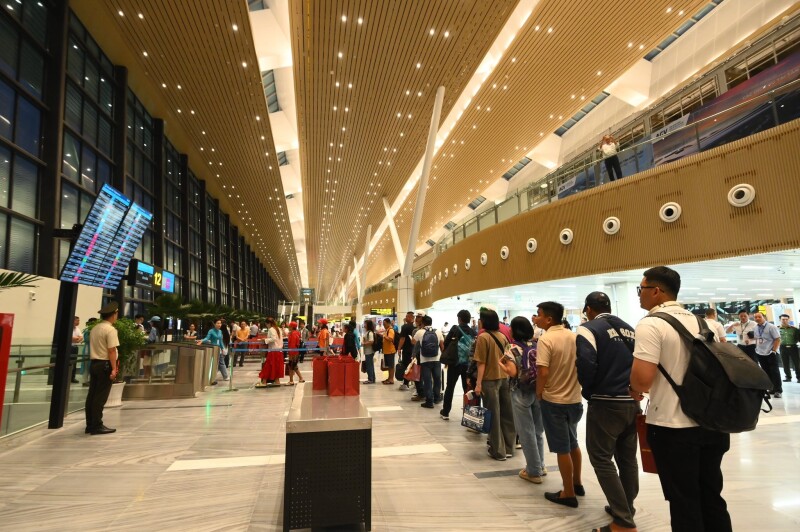
Once completed, instead of going through layers of security checks, checking tickets, and boarding documents, authorities will set up facial recognition scanners for passengers. It only takes a few seconds for people to complete the procedures to enter the area inside the airport.
3. Other notes
- Biometrics (facial recognition) application does not apply to all passengers, currently the new technology is applied to passengers on domestic flights of Vietnam Airlines and Vietjet. Other airlines and international terminals have not yet implemented it. Children under 14 years old are also not subject to application.
- Customers with checked baggage can still experience biometric procedures by going through the baggage drop counter as usual and checking in via VneID to go through the autogate lanes.
- The airport still recommends carrying identification documents to prevent technical problems, although the facial recognition process has been optimized, helping passengers to complete it in just a few seconds and save 10-15 minutes compared to presenting documents.
Biometric technology on the VNeID platform has been deployed at Tan Son Nhat, Noi Bai, Da Nang and Cam Ranh airports. This solution is part of the roadmap to comprehensively digitize air transport operations, aiming to form a smart, paperless airport ecosystem.
Back to category
Share:


Other news in the same category